
If you are planning a trip to Zimbabwe, one of the first practical questions you may have is: what is the currency used in Zimbabwe?
Here Is What You Need to Know About the Currency Used in Zimbabwe as of 2026
Zimbabwe’s official local currency is the Zimbabwe Gold (ZiG). However, the US dollar (USD) is also widely used for everyday transactions, particularly in the tourism industry, hotels, restaurants, shops and businesses that serve international visitors.
For travellers, understanding the currency used in Zimbabwe is important because prices may be quoted in either US dollars or ZiG. Knowing the difference can help you avoid confusion when paying for accommodation, tours, meals, transport and other services.
If you are visiting destinations such as Victoria Falls, Hwange National Park or other popular tourist areas, it is especially useful to understand how Zimbabwe’s currency system works before you arrive.
ZiG was introduced by the Reserve Bank of Zimbabwe in April 2024 as the country’s new structured currency. It replaced the Zimbabwe dollar and is supported by a combination of foreign-currency reserves and precious-metal reserves.
However, the currency used in Zimbabwe for everyday transactions is not limited to ZiG. Zimbabwe continues to have a highly dollarised economy, with the US dollar playing a major role in everyday transactions.
The Reserve Bank of Zimbabwe notes that the US dollar continues to dominate cash transactions, particularly in the informal sector.
For this reason, the simple answer to “what currency is used in Zimbabwe?” is ZiG, but visitors should also be aware that US dollars remain widely used throughout the country.
Quick Answer for Tourists
Zimbabwe’s official local currency is ZiG, but US dollars are widely accepted and are often the most convenient currency for international travellers.
This is particularly important if you are visiting Victoria Falls, where many hotels, restaurants, tour operators and activity providers regularly work with international visitors.
Having a basic understanding of the currency used in Zimbabwe can make it easier to plan your travel budget and pay for services during your stay.
What Does ZiG Stand For?
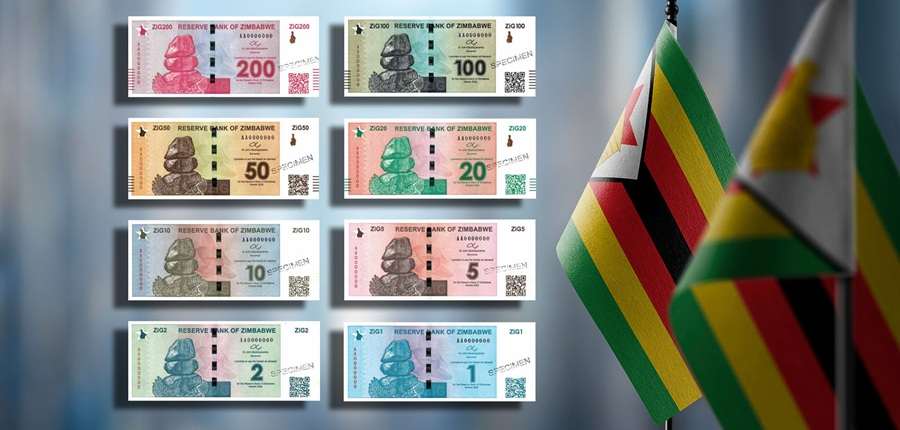
ZiG stands for Zimbabwe Gold. It is Zimbabwe’s local currency and is issued by the Reserve Bank of Zimbabwe.
ZiG was introduced in April 2024 as part of efforts to establish a more stable domestic currency and improve confidence in Zimbabwe’s monetary system.
ZiG banknotes and coins are available in different denominations, and the currency is used for domestic transactions.
The Reserve Bank of Zimbabwe has continued to promote wider use of ZiG in the local economy. In 2026, the country also introduced an upgraded series of ZiG banknotes, which entered circulation from April 2026.
If you are researching the currency used in Zimbabwe, it is therefore important to know that ZiG is the country’s official local currency, even though US dollars remain widely used.
Is the US Dollar Used in Zimbabwe?
Yes. The US dollar is widely used in Zimbabwe.
Although ZiG is the country’s official local currency, the US dollar remains an important medium of exchange. The IMF describes Zimbabwe as having a highly dollarised monetary system, with the US dollar continuing to be an important currency for many transactions.
For tourists, this makes US dollars particularly useful.
Many tourism-related businesses may quote their prices in US dollars, including:
- Hotels and lodges
- Restaurants
- Tour operators
- Safari companies
- Airport transfers
- Activities and excursions
- Souvenir shops
- Tourist attractions
However, always confirm the currency before paying, especially when a price is displayed without a currency symbol.
For example, if you see a price of $50, ask whether the business means US$50 or 50 ZiG.
What Currency Should Tourists Bring to Zimbabwe?
For most international visitors, US dollars are the most practical foreign currency to carry when travelling to Zimbabwe.
If you are travelling to Victoria Falls, having some US dollar cash can be useful for small purchases, tips, meals, souvenirs and other expenses.
Understanding how the currency used in Zimbabwe works for tourists can also help you decide how much cash to carry.
It is best to carry a mixture of smaller denominations rather than only large US dollar notes.
For example:
- US$1
- US$5
- US$10
- US$20
- US$50
Smaller notes are particularly useful for tips, small purchases and minor expenses.
Important: Check the Condition of Your US Dollar Notes
When bringing US dollar cash to Zimbabwe, make sure your notes are clean and in good condition.
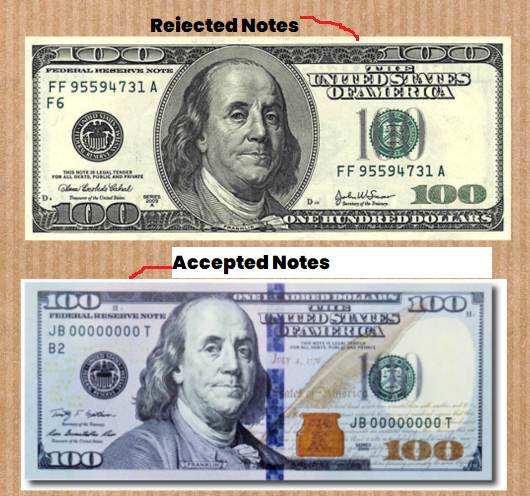
Damaged, heavily worn, torn or defaced notes may be refused by some businesses.
It is also sensible not to rely entirely on one payment method. Carry some cash while also having access to a bank card where possible.
Can You Use Credit and Debit Cards in Zimbabwe?
Yes. Many hotels, restaurants, lodges, tour operators and larger businesses accept international debit and credit cards.
However, card acceptance is not universal.
Smaller businesses, informal vendors and businesses in more remote areas may not have reliable card-payment facilities.
For this reason, travellers should not depend entirely on their bank card.
If you are travelling outside major tourist centres or going on safari, carrying some cash is a sensible precaution.
This is another reason why understanding the currency used in Zimbabwe before your trip can be helpful.
Can I Use US Dollars in Victoria Falls?
Yes. US dollars are widely used in Victoria Falls, particularly within the tourism sector.
Victoria Falls receives visitors from around the world, and many hotels, restaurants, tour operators and activity providers commonly work with US dollar prices.
This makes travelling with US dollars relatively convenient for visitors.
If you are booking activities or transfers, check whether the quoted price is in USD before making payment.
If you are unsure which currency is used for a particular price in Victoria Falls, simply ask the business before paying.
What About Other Foreign Currencies?
Zimbabwe’s financial system allows the use of various foreign currencies under its foreign-exchange framework, including currencies such as the South African rand, Botswana pula, British pound and euro.
However, acceptance at individual businesses can vary.
For tourists, the US dollar is generally the most useful foreign currency to have, particularly when travelling around Victoria Falls and other major tourist destinations.
If you are travelling from Botswana or South Africa, you may also find it useful to have some Botswana pula or South African rand, but do not assume every business will accept them directly.
For most visitors trying to decide which foreign currency to carry, US dollars remain the most practical choice.
Should I Exchange My Money Into ZiG?
Not necessarily.
If you are visiting Zimbabwe for a holiday, you do not need to exchange all your money into ZiG simply because it is the country’s local currency.
The US dollar remains widely used, particularly in tourism and other parts of the economy.
If you receive a price in ZiG, however, make sure you understand the current exchange rate before paying.
Exchange rates can change, so travellers should check the current rate rather than relying on an old conversion found online.
Knowing the difference between ZiG and USD is an important part of understanding the currency used in Zimbabwe.
Is Zimbabwe Expensive for Tourists?
The cost of travelling in Zimbabwe depends heavily on your accommodation, activities, transport and travel style.
Victoria Falls, for example, offers everything from budget accommodation and inexpensive local meals to luxury hotels, private transfers and premium safari experiences.
Many tourism prices are quoted in US dollars, which can make budgeting easier for international visitors.
Before booking an activity or tour, check exactly what is included in the price. Some experiences may have additional costs such as park fees, transfers or conservation fees.
It is also worth confirming whether the quoted price is in USD or ZiG, particularly when dealing with businesses that use both currencies.
Money Tips for Travelling to Zimbabwe
Here are some practical money tips to keep in mind when visiting Zimbabwe:
1. Carry Some US Dollar Cash
Even if you plan to use your bank card, having some USD cash is useful for smaller purchases, tips and places where card payments are unavailable.
2. Bring Smaller Denominations
US$1, US$5, US$10 and US$20 notes are particularly useful for everyday expenses.
3. Keep Your Notes in Good Condition
Avoid bringing torn, badly damaged or heavily worn banknotes.
4. Ask Which Currency a Price Is In
If a price simply says “$50”, ask whether it means US$50 or 50 ZiG before paying.
This is one of the most important things to remember about the currency used in Zimbabwe, especially if you are visiting for the first time.
5. Do Not Rely Entirely on ATMs
ATM availability and foreign-currency cash withdrawals can vary. It is better to have a backup payment method.
6. Carry a Bank Card
A Visa or Mastercard can be useful at hotels, restaurants and larger tourism businesses that accept international cards.
7. Keep Emergency Cash Separately
Do not keep all your money in one wallet or bag. Carry only what you need for the day and keep a backup amount somewhere secure.
Frequently Asked Questions About the Currency Used in Zimbabwe
What Is the Currency Used in Zimbabwe?
The official local currency used in Zimbabwe is the Zimbabwe Gold (ZiG). The US dollar is also widely used, particularly in tourism and for many everyday transactions.
What Is the Currency of Zimbabwe Called?
Zimbabwe’s local currency is called the Zimbabwe Gold, abbreviated as ZiG.
Can I Use US Dollars in Zimbabwe?
Yes. US dollars are widely used and accepted in many parts of Zimbabwe, especially in the tourism industry.
Is ZiG the Same as the Zimbabwe Dollar?
No. ZiG is a new structured currency introduced in April 2024. It replaced the Zimbabwe dollar as the country’s local currency.
Should I Bring US Dollars to Zimbabwe?
Yes. US dollars are generally one of the most practical currencies for international travellers visiting Zimbabwe, particularly if you are travelling to Victoria Falls.
Can I Pay by Card in Zimbabwe?
Yes, many larger hotels, restaurants and tourism businesses accept international cards. However, card acceptance is not guaranteed everywhere, so carrying some cash is recommended.
What Currency Is Used in Victoria Falls?
Victoria Falls uses the Zimbabwean local currency, ZiG, but US dollars are widely used in the tourism sector. Travellers should carry some US dollars for convenience.
Can I Use South African Rand in Zimbabwe?
South African rand can be used in some circumstances, but acceptance varies between businesses. US dollars are generally more convenient for international visitors.
Do I Need to Exchange Money Before Travelling to Zimbabwe?
You do not necessarily need to exchange all your money into ZiG. US dollars are widely used, particularly in tourist areas. However, having access to some ZiG may be useful for transactions priced in the local currency.
Final Advice for Travellers
So, what is the currency used in Zimbabwe?
The answer is ZiG (Zimbabwe Gold), which is Zimbabwe’s official local currency. However, Zimbabwe’s economy remains highly dollarised, and US dollars are widely used for everyday transactions and are particularly convenient for tourists.
If you are travelling to Victoria Falls, a practical approach is to carry some clean US dollar notes in smaller denominations, bring an international bank card and avoid relying entirely on cash machines.
Understanding the currency used in Zimbabwe before your trip will make it easier to budget, compare prices and make payments with confidence.
Most importantly, always confirm whether a quoted price is in USD or ZiG before making a payment.
Planning a trip to Victoria Falls? African Fairytale Tours & Safaris can help arrange your Victoria Falls tours, safari experiences, transfers, accommodation and activities.