
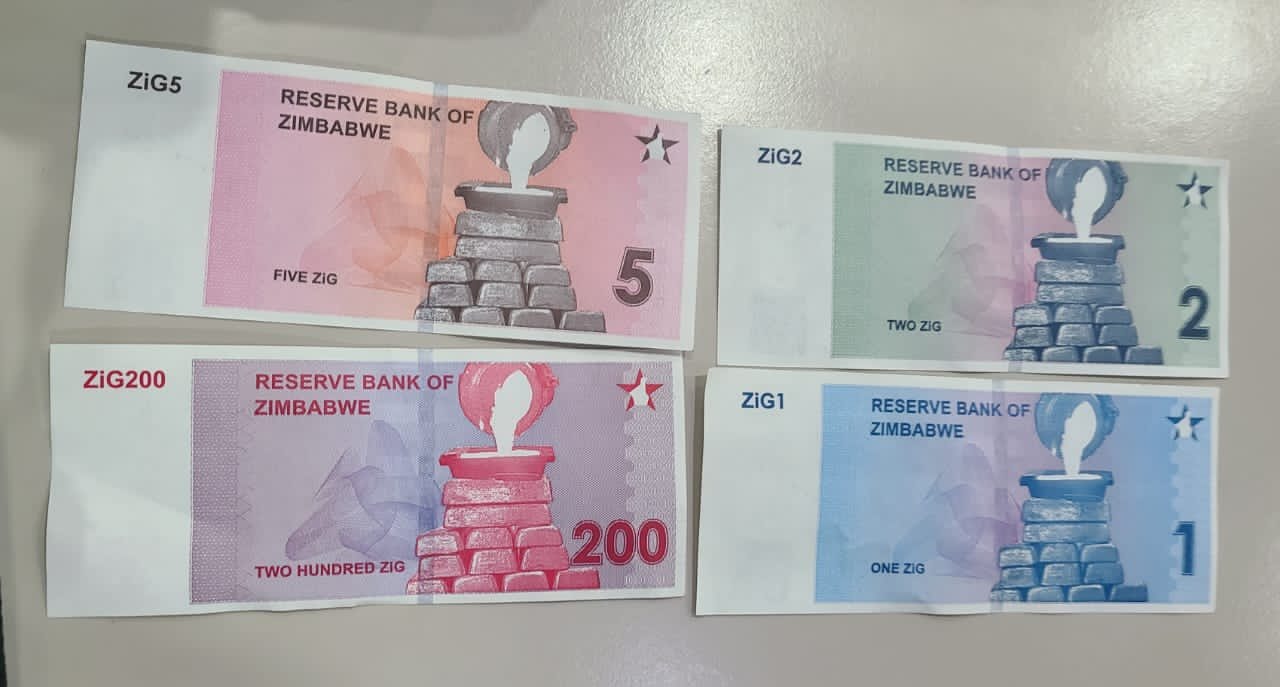
Understanding Zimbabwe’s currency scene is key to a smooth and hassle-free trip. Zimbabwe beckons with its vibrant culture and breathtaking landscapes, but before you embark on your unforgettable adventure, let’s iron out the details about money.
In April 2024, the Zimbabwean government introduced a new national currency called the ZiG (Zimbabwe Gold). This marked another attempt to stabilize the country’s monetary system after years of inflation and currency instability. The ZiG is backed by reserves including gold and other valuable minerals, with the aim of improving confidence and reducing rapid devaluation.
Despite the introduction of the ZiG, Zimbabwe continues to operate in a multi-currency environment, where foreign currencies — particularly the US Dollar — remain widely used in everyday transactions.
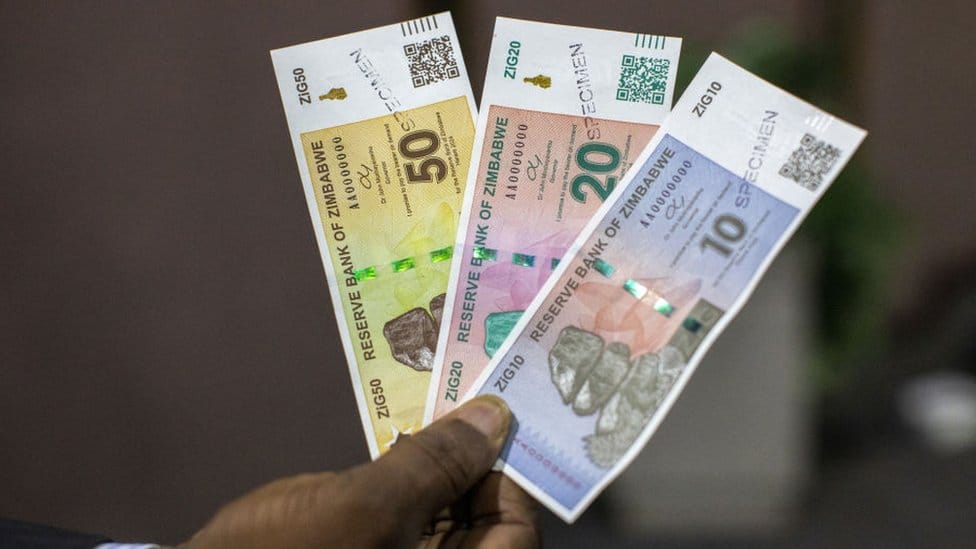
Zimbabwe introduced the ZiG to address several ongoing challenges:
Inflation pressures: Previous local currencies experienced high inflation, leading to frequent price changes and uncertainty.
Loss of confidence: Many businesses and individuals preferred using foreign currencies such as the US Dollar due to stability.
Monetary control: The new currency aims to give authorities better control over money supply and stabilize pricing.
The ZiG is intended to restore trust in a local currency while coexisting with foreign currencies.
As a tourist, payments can typically be made using:
Cash (USD): US Dollars are the most widely accepted and preferred currency, especially in tourism areas such as Victoria Falls, Hwange, and major cities. Bringing small denominations (USD 1, 5, 10, 20) is strongly recommended for tips, taxis, and small purchases.
Cash (Other currencies): South African Rand, British Pound, and Euro may be accepted in some places, but acceptance is less consistent than USD.
ZiG (Local currency): You may receive change in ZiG, particularly for smaller purchases. Prices may sometimes be displayed in USD but change given in ZiG at the prevailing exchange rate.
Credit & Debit Cards (Limited): Visa and Mastercard are accepted in many hotels, lodges, and larger restaurants. However, connectivity issues and bank charges can occur, so cards should not be your only payment method.
US Dollars are still preferred: Most tourism businesses price services in USD, and it remains the easiest currency to use.
Carry small notes: Change can be limited. Small bills make transactions smoother and help avoid receiving large amounts in ZiG.
You may receive change in ZiG: Even when paying in USD, smaller change is often given in local currency.
Card payments are improving but not guaranteed: Some places accept cards, but network issues are common. Always have backup cash.
Carry a mix of payment options: The safest approach is a combination of USD cash and a credit card for hotels or larger expenses.
Mobile money is mostly for locals: Local mobile payment platforms are widely used domestically but are generally not practical for short-term visitors.
Being prepared with the right mix of payment options will ensure your trip to Zimbabwe remains smooth and stress-free.
Contact African Fairytale Tours for personalized, affordable, and unforgettable African vacation experiences across Zimbabwe, Botswana, Namibia, and Zambia. Let us craft your perfect journey through the wonders of Victoria Falls and beyond. Get in touch today to start planning your next African holiday adventure!
Leave your Comment