
For travelers planning a safari near Victoria Falls, Hwange National Park in Zimbabwe and Chobe National Park in Botswana are two of the region’s top destinations. Both parks offer unforgettable wildlife experiences, yet each has its own unique charm and style. Hwange is perfect for those who enjoy wide-open landscapes and predator tracking, while Chobe is ideal for close encounters with elephants and other riverfront wildlife. The choice between them depends on the type of animals you want to see, the safari style you prefer, and the scenery you want to explore.
When comparing Hwange National Park and Chobe National Park, both offer excellent safari experiences, but the style, landscape, and wildlife viewing are very different. Understanding these differences helps you choose the park that matches their expectations.
Hwange National Park is characterized by dry Kalahari sand, teak forests, open grasslands, and scattered waterholes. Much of the wildlife activity revolves around these waterholes, especially during the dry season when animals gather to drink. The scenery feels raw, untamed, and remote, giving visitors a classic African bush safari atmosphere.
Chobe National Park, on the other hand, is heavily influenced by the Chobe River. The landscape includes lush floodplains, riverbanks, marshes, and green vegetation, particularly during the dry season when animals move toward the permanent water source. The presence of the river makes Chobe more scenic, with wide-open views and dramatic wildlife activity along the water.
In simple terms, Hwange offers a traditional bush safari setting, while Chobe provides a river-based safari environment.
Wildlife viewing in Hwange tends to feel more exploratory. Animals are spread across a large area, and guides often track wildlife between waterholes. This creates a more adventurous experience where sightings feel natural and less predictable. Hwange is particularly well known for predators such as lions, African wild dogs, and leopards.
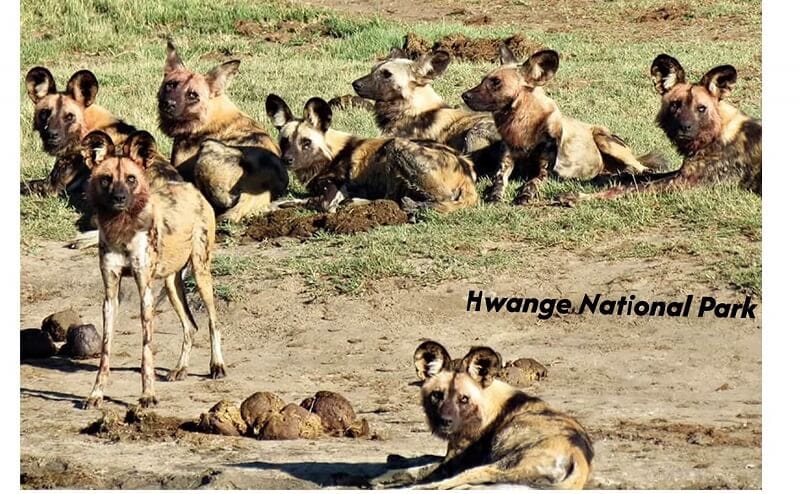
In Chobe, wildlife viewing is generally easier and more consistent. Animals concentrate along the river, especially during the dry season, making sightings frequent. Large herds of buffalo, elephants, and antelope are commonly seen in open areas, which also makes photography easier. Because of this concentration, visitors often see many animals in a shorter period.
Both parks are famous for elephants, but the experience differs significantly. Hwange has one of the largest elephant populations in Africa, yet they are spread out across the park. Sightings usually occur at waterholes, where elephants gather in smaller groups. These encounters feel quieter and more intimate.
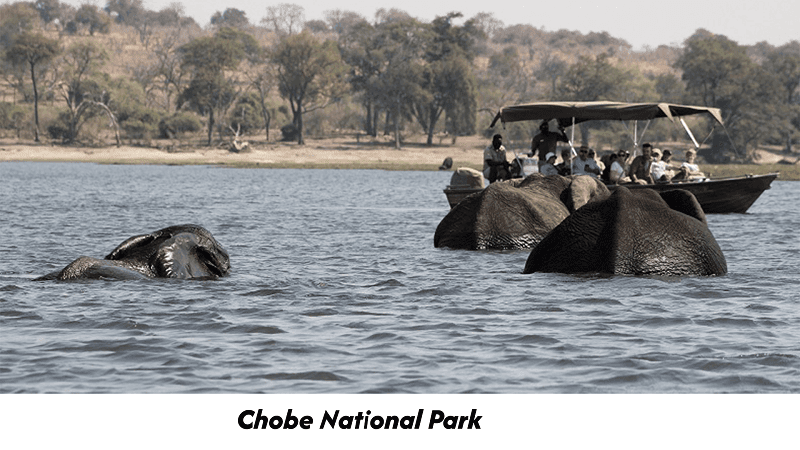
Chobe is known for massive elephant herds, particularly along the riverfront. It is common to see dozens or even hundreds of elephants at once, crossing the river, drinking, or interacting in large family groups. These dramatic scenes are one of Chobe’s biggest highlights.
Hwange is primarily focused on land-based safari activities. Game drives are the main activity, and many areas also allow guided walking safaris, which provide a more immersive bush experience. Walking safaris are a major advantage for travelers looking for something beyond vehicle-based viewing.
Chobe offers both game drives and boat safaris. The boat safari is a unique highlight, allowing visitors to view wildlife from the water. Animals such as elephants, hippos, crocodiles, and buffalo are often seen from close range along the riverbanks. This combination of land and water activities makes Chobe more varied in terms of safari options.
Hwange generally feels quieter and more remote. The park is large, and visitor numbers are lower, which means fewer vehicles at sightings and a more exclusive safari experience. This appeals to travelers who prefer solitude and a deeper connection with nature.
Chobe, particularly the riverfront near Kasane, tends to be busier. It is a popular day-trip destination from Victoria Falls, so sightings can sometimes include multiple safari vehicles. However, the park is still enjoyable, and the wildlife density often outweighs the presence of more visitors.
Hwange National Park is about two to three hours’ drive from Victoria Falls, depending on the specific area visited. Because of the travel time, it is usually better suited for overnight or multi-day safaris.
Chobe National Park is approximately one and a half to two hours from Victoria Falls, including the border crossing into Botswana. This makes it ideal for day trips, which is why many visitors choose Chobe for a quick safari experience.
Hwange offers a more traditional, remote, and adventurous safari, hence, It is ideal for travelers who want fewer crowds, longer game drives, and a classic bush environment. Chobe provides easier wildlife viewing, scenic river landscapes, and the unique addition of boat safaris, making it perfect for first-time safari visitors or those with limited time.
Contact African Fairytale Tours for personalized, affordable, and unforgettable African vacation experiences across Zimbabwe, Botswana, Namibia, and Zambia. Let us craft your perfect journey through the wonders of Victoria Falls and beyond. Get in touch today to start planning your next African holiday adventure!
Leave your Comment